Three Ways to Coordinate Hand and Foot Colors
Try three practical color-pairing methods: promote a small accent, build a light-to-dark pair, or connect different hues through similar intensity.
Leer en español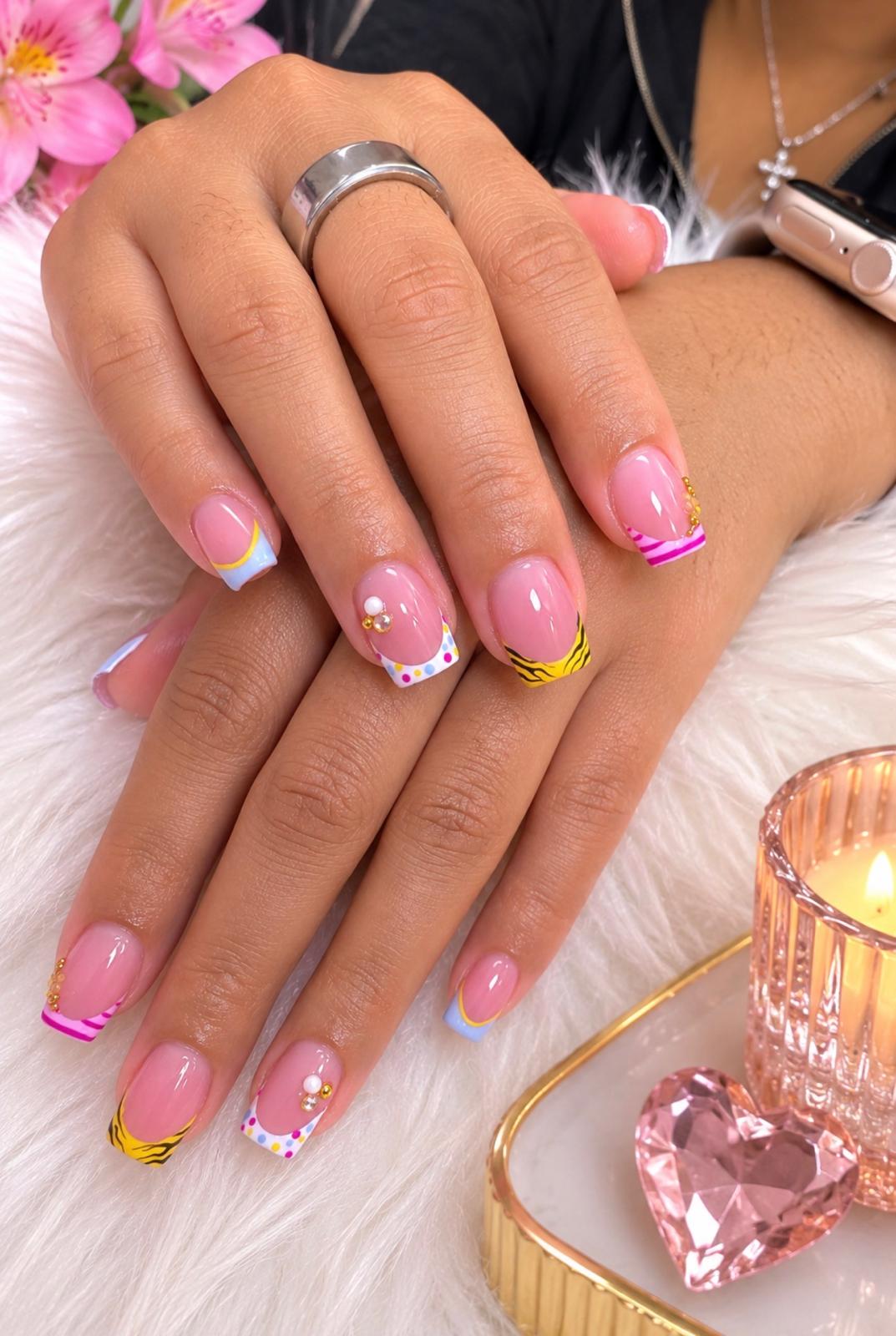
Start with one color reference you want to keep, then use a repeatable method to choose its companion. The three methods below each change one part of the pairing: how much of an accent you repeat, how light or dark a color is, or how vivid two different colors feel.
1. Promote a small accent into the main color
Use this method when your manicure reference contains several colors. List the colors you can identify, circle one small accent, and make that accent the proposed solid pedicure color. Keep the manicure reference fixed while you compare companions.
For example, imagine pink-based nails with blue dots and yellow curves. Circle the blue dots and propose blue for the feet. Your request becomes: “Keep these manicure colors; use the blue accent as the pedicure's main color.” The decision comes from a specific detail, rather than the whole picture.
If the combined proposal feels busier than you want, simplify the pedicure to one color before replacing the manicure palette. This preserves the link you selected while reducing the number of competing elements.
2. Build a light-to-dark pair within one color family
Use this method when you have a clear favorite color but want different emphasis on hands and feet. Choose the family first, then compare a lighter and a darker version beside your anchor reference.
Suppose the anchor is a pale blue manicure. A deeper blue pedicure creates a noticeable light-to-dark step; a medium blue makes a gentler step. Choose which difference you prefer, then write it down: “Pale blue on the hands, with the darker blue option on the feet.”
If the darker option takes more attention than you intended, try the middle shade while keeping the blue family. Discuss actual shade options with the salon; “pale blue” and “deep blue” describe a direction, not exact product references.
3. Pair different hues at a similar intensity
Use this method when you want two distinct colors without repeating an accent. Choose whether the pairing should feel muted or vivid, then compare candidates that follow that choice.
For a muted proposal, start with a dusty rose manicure reference and compare a muted green pedicure idea beside it. If the green feels much brighter than the rose, look for a softer green before changing to an entirely different color. The adjustment is intensity; the two color families stay separate.
For a vivid proposal, the same process starts with two stronger colors. Judge the references together and choose the amount of contrast you enjoy. Similar intensity is a planning preference, not a requirement for an attractive pairing.
Choose one method and record the decision
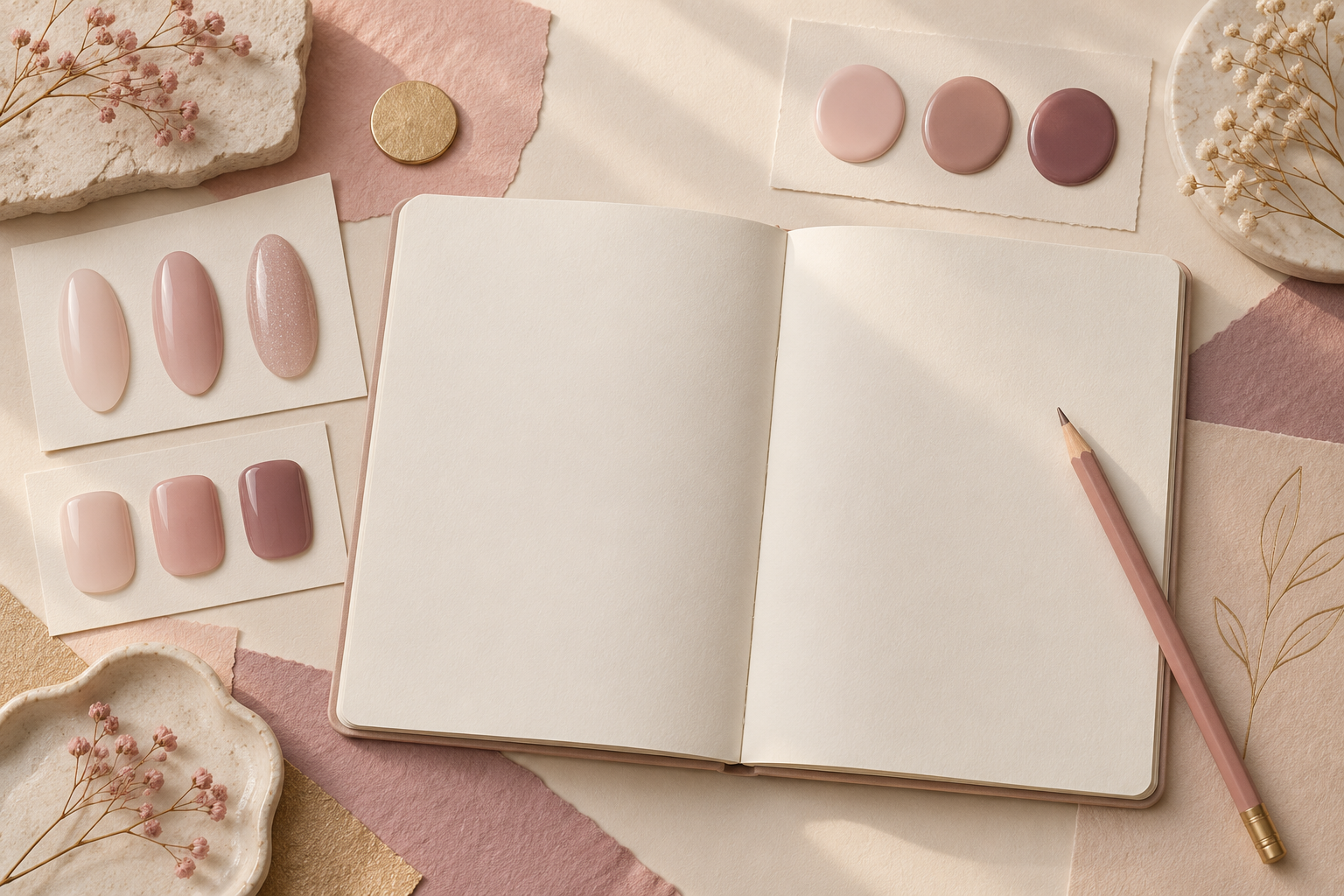
Choose method one if you want a small detail to connect the set. Choose method two if the shared color family matters most. Choose method three if you want different hues with a related visual energy. Avoid changing all three relationships during the same comparison.
- Save the anchor reference and name your chosen method.
- Write one specific hand-and-foot pairing.
- Identify the single detail you would adjust if needed.
- Confirm the services and proposed color execution with the salon.
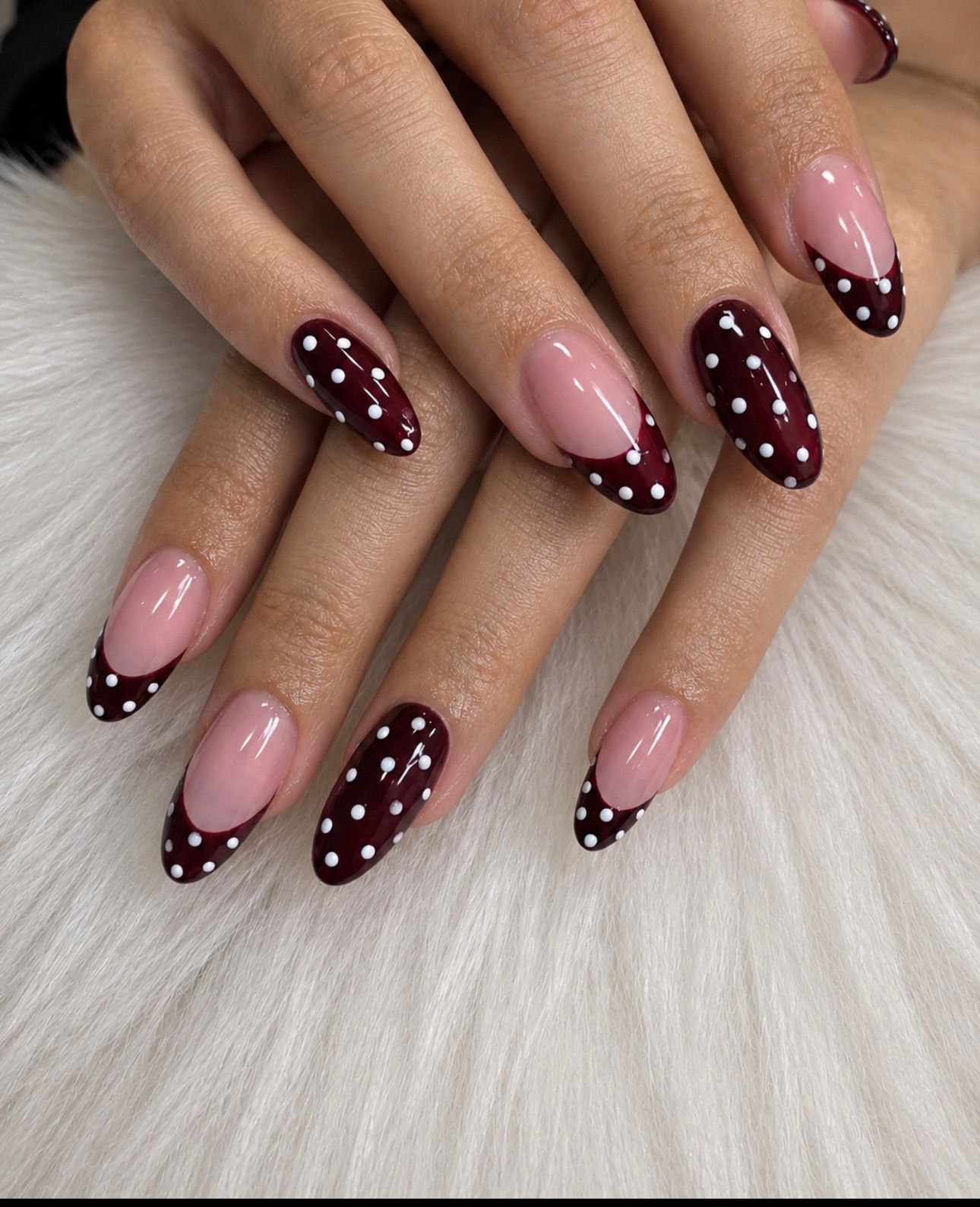
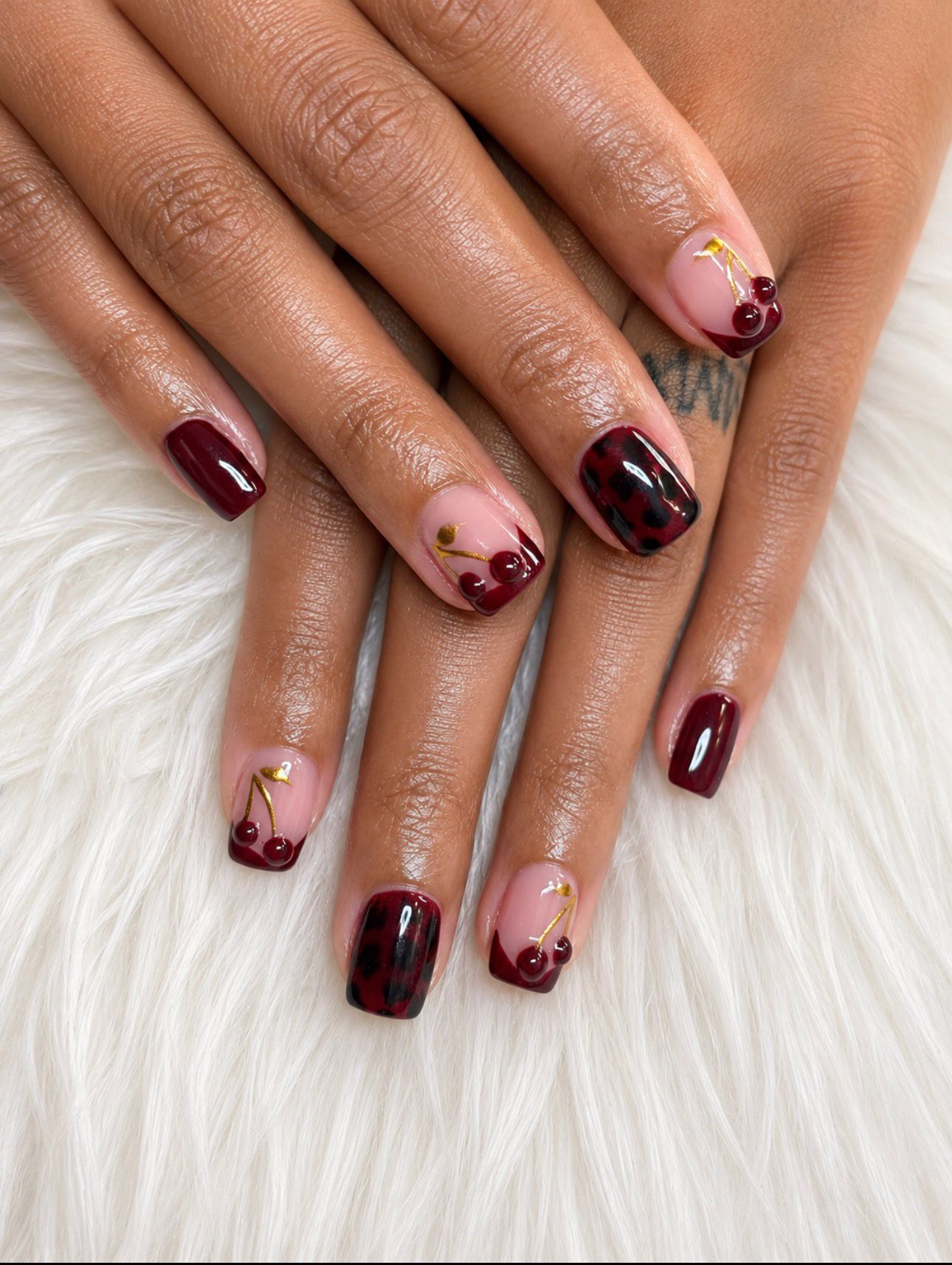
The cover photograph shows hands only. The pairings above are original editorial examples; no pedicure is pictured, and the examples do not establish shade or design availability.
Explore the YLG home gallery for visual references and arrange a visit through the booking page.
Service source: Consult the current YLG service catalog for service information.