Compare Neighboring Colors for Your Autumn Nail Idea
Reorder three equal color samples to compare which shades touch before discussing an autumn-inspired nail design at YLG in Brandon.
Leer en español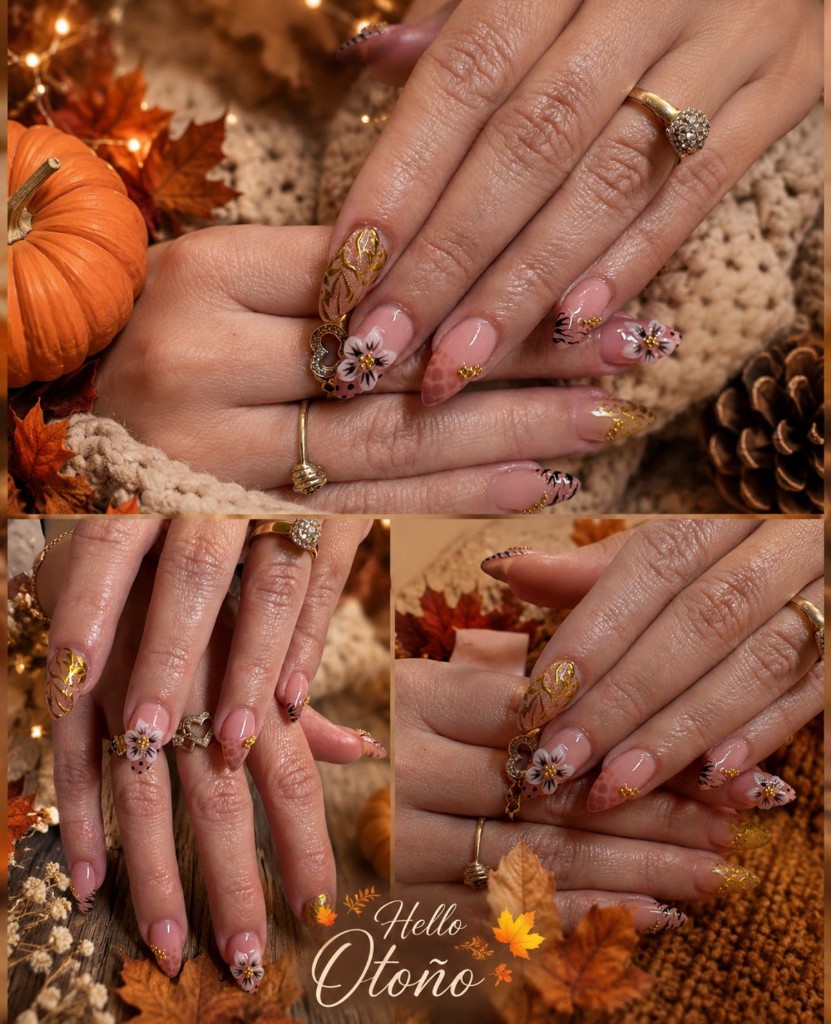
An autumn-inspired manicure does not have to include a leaf or pumpkin motif. If you already have three colors in mind, try a small arrangement exercise before adding decoration: keep the colors the same and change which ones touch. The question is whether you like the meeting point between neighboring shades.
Make three equal color samples
Choose three colors that feel right for your own autumn idea. For a paper example, imagine cream, muted rose, and deep brown. These are illustrative color names, not a claim about shades currently available at YLG. Make three equal paper rectangles, or use three existing color references of similar size.
Keep the samples separate so you can move them. For this comparison, keep their size and finish consistent and place them on the same background. You are not deciding which color should cover most of the manicure yet. That is a different question from deciding which colors you want beside each other.
Change only the middle color
Arrange the samples in a row: cream, rose, brown. In this order, rose touches both other colors, while cream and brown do not touch. Now move cream to the middle: rose, cream, brown. The cream-and-brown boundary is now visible, and the rose-and-brown boundary is absent.
Compare those two arrangements before changing any shade. Look at each shared edge and write what you personally notice: “I prefer cream beside brown” or “I want rose separating those two colors.” You do not need a universal rule about which combination is more elegant or more seasonal.
Separate the color relationship from the nail layout
A row of paper samples is a way to describe a preference, not a finished nail design. If you want two colors touching within one nail, say that explicitly. If you want each color on a separate nail, the sample row does not determine the finger order automatically.
You might bring the note: “Please explore rose between cream and brown in a three-part color design.” Ask how that relationship could fit the available nail space and selected service. Leave the precise boundaries and execution open for discussion; the paper arrangement does not promise a particular result.
Save one comparison and the reason you chose it
Photograph both arrangements on the same background and mark your preferred one. Add one sentence naming the pair you want to touch or the color you want between two others. This keeps the decision clear even if a suitable alternative shade needs to be discussed at the studio.
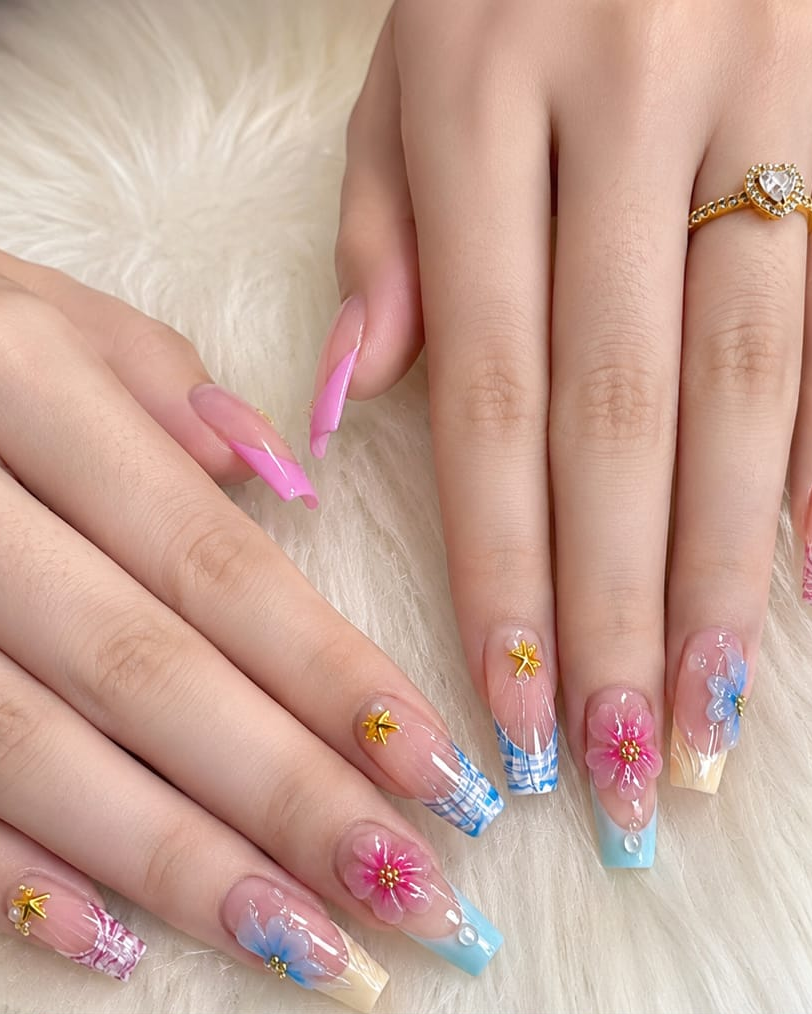
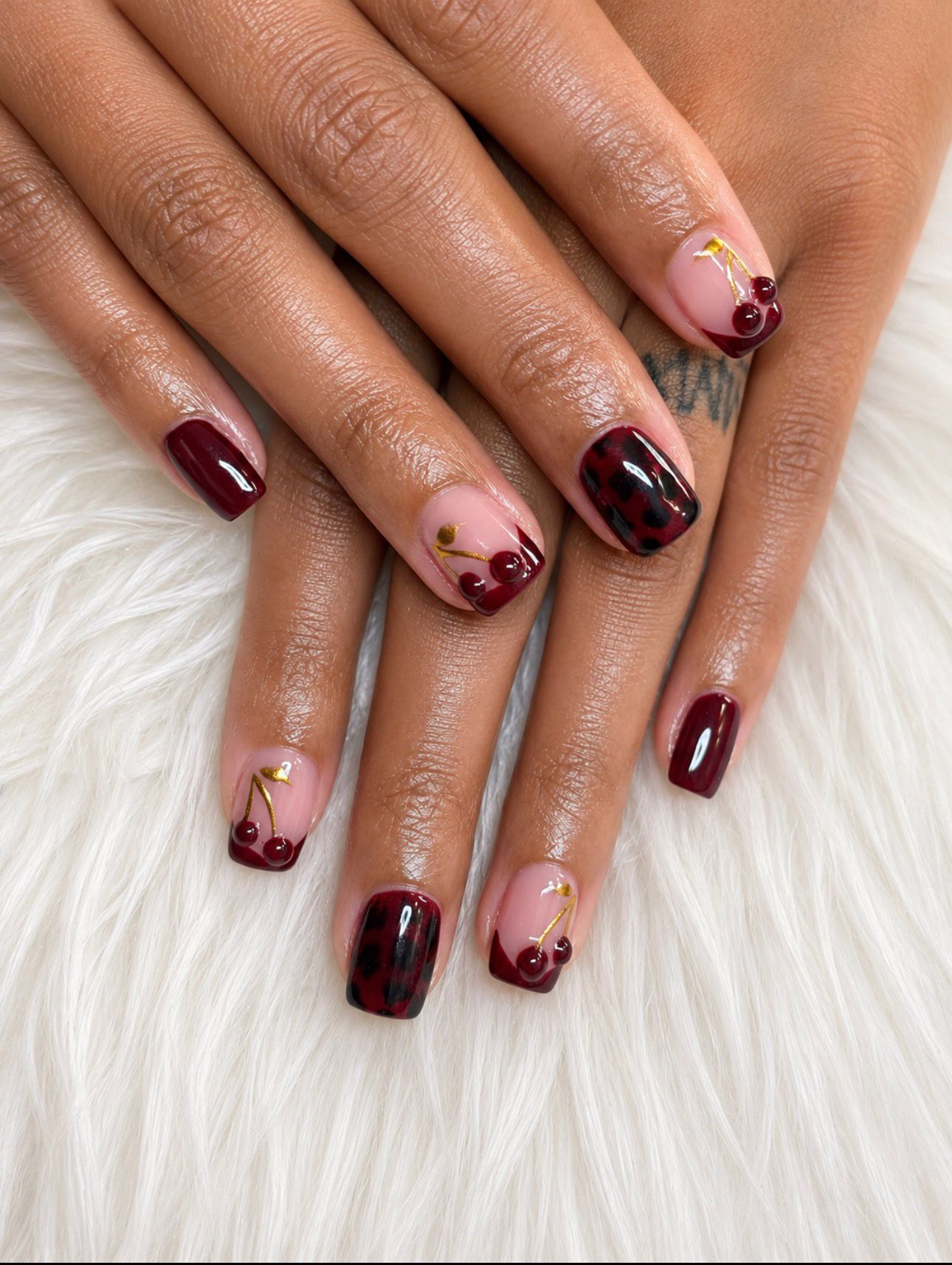
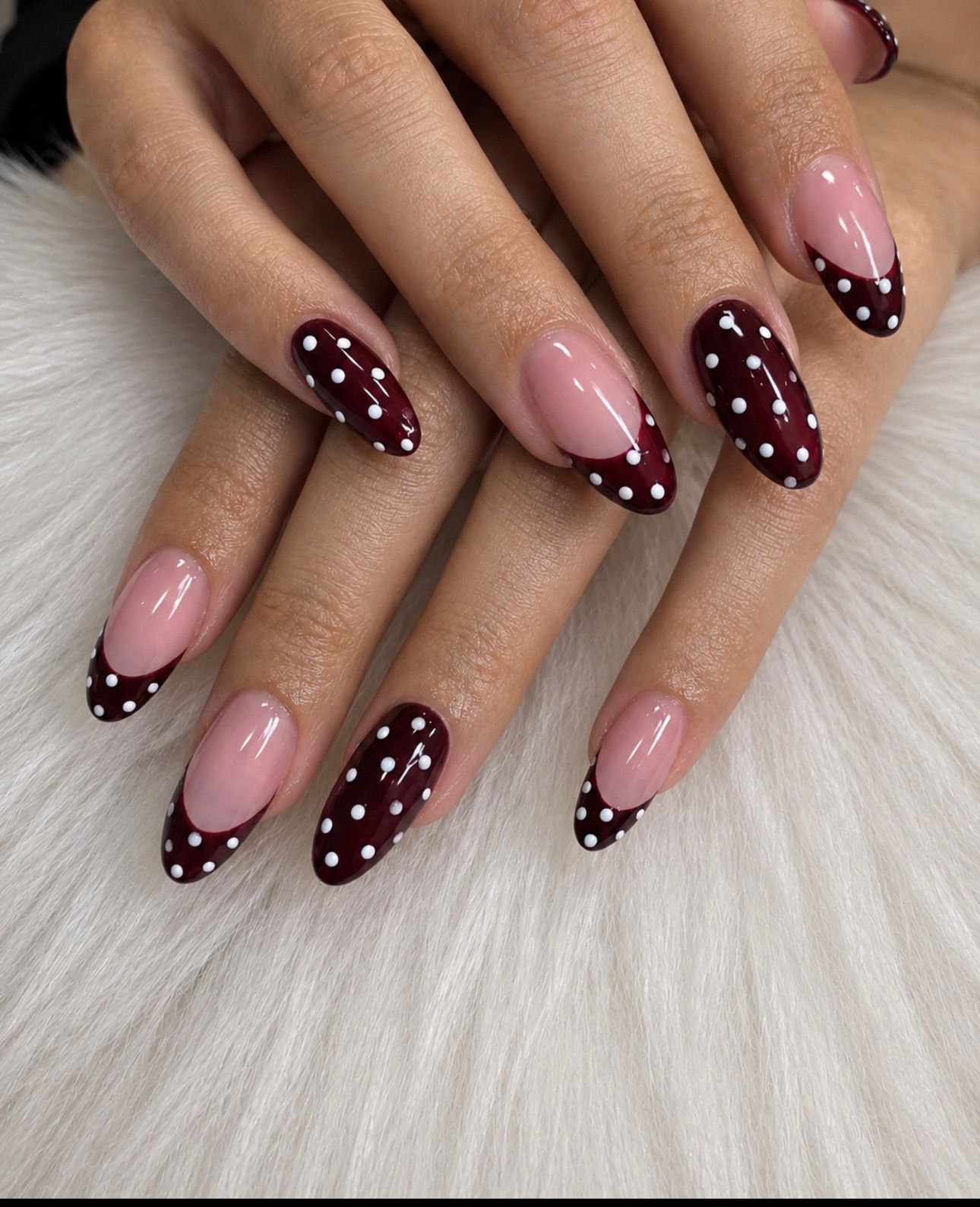
The cover is from YLG's autumn-themed photo library and includes pink tones, flowers, and gold-colored details. It provides seasonal context; it is not a photograph of the cream, rose, and brown sample exercise. Once the color relationships are clear, our design brief guide can help you organize the request.
Check YLG's current services and confirm the design possibilities before choosing your appointment in Brandon.